
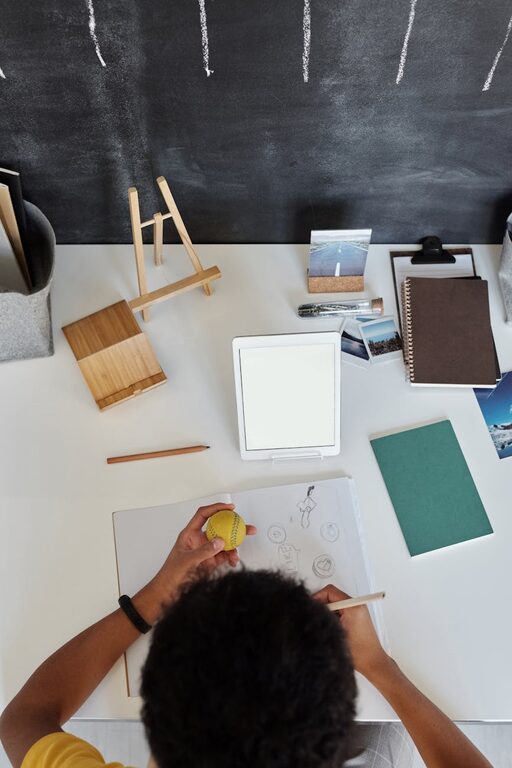
Children’s artwork is a wonderful expression of their creativity and imagination. From colorful drawings to handmade crafts, every piece tells a story. However, as the collection grows, it can quickly become overwhelming and cluttered. Keeping kids’ art organized not only preserves those special memories but also helps maintain a tidy living space. In this post, we’ll explore practical and fun tips to organize your children’s artwork in a way that’s both easy and enjoyable.
Why Organizing Kids’ Artwork Matters
Before diving into tips, it’s helpful to understand why organizing your child’s art is important:
– Preserves memories: Artwork reflects stages of your child’s growth and development.
– Reduces clutter: A dedicated system prevents piles of paper from taking over your home.
– Encourages pride: When children see their art displayed or stored neatly, it boosts their confidence.
– Makes sharing easy: Organized collections are simpler to share with family and friends.
With these benefits in mind, let’s explore specific strategies to keep your kids’ art manageable and meaningful.
1. Create a Dedicated Display Area
Children love to see their creations showcased. Setting up a dedicated display area provides a rotating gallery without overwhelming your space.
Ideas for Display Spaces
– Cork boards or bulletin boards: Easy to pin and replace artwork.
– Wire and clips: Hang a wire or string on a wall and use clips to hold drawings.
– Framed rotating gallery: Use frames that open easily so you can swap out art regularly.
– Magnetic boards: Great for placing art with magnets and changing pieces out often.
Rotating the display regularly ensures that the area feels fresh, and your child experiences the joy of seeing new art up front.
2. Use Storage Solutions for Art You Want to Keep
Not all artwork will go on the wall, but you may want to save many pieces for the future. These storage ideas help keep everything organized:
Tips for Storage
– Portfolios or art folders: Large, flat folders protect drawings and paintings.
– Plastic storage bins: Use clear bins with labels organized by year or child.
– Accordion files: Ideal for sorting by age or grade level.
– Binders with sheet protectors: A compact way to store and flip through art.
Labeling is key to quick access and easy organization. Include dates and brief notes when possible to remember the context.
3. Digitize Artwork for Long-Term Preservation
Physical storage can take up space, so digitizing is a great way to keep an archive of your child’s art without clutter.
How to Digitize Art
– Scan drawings: Use a scanner for flat pieces to get high-quality images.
– Photograph 3D or larger projects: Use natural light and a plain background for clear photos.
– Create digital albums: Store photos in cloud services or organize in folders on your computer.
– Make photo books: Compile favorite pieces into printed books you can revisit anytime.
Digitizing also makes it easy to share your child’s creativity with distant relatives without mailing fragile originals.
4. Establish a Routine for Managing New Art
Creating habits around what to do with new artwork will keep your system working smoothly.
Suggested Routine Steps
- **Set a display limit:** Decide on a set number of pieces to show at one time.
- **Sort regularly:** Weekly or monthly, go through new and stored art with your child.
- **Decide together:** Choose what to keep, digitize, recycle, or gift to others.
- **Update storage and display:** Replace displayed art and file or digitize saved pieces.
Involving your child in these decisions helps teach them organizational skills and respect for their work.
5. Repurpose Artwork Creatively
Another fun way to manage kids’ art is by turning it into new items that are useful and meaningful.
Ideas for Repurposing
– Greeting cards: Fold drawings into cards for birthdays and holidays.
– Gift wrap: Use large paintings as colorful wrapping paper.
– Calendars: Compile artwork in a custom calendar for your home or as gifts.
– Decor items: Laminate pieces to create placemats or coasters.
Repurposing helps your child see their art as valuable beyond just decoration, encouraging creativity in other ways.
6. Make it a Family Project
Keeping art organized doesn’t have to be a solo job. Involve the whole family for a fun and bonding experience.
Ways to Involve Everyone
– Family art nights: Create new artwork together and then organize it as a group.
– Share stories: Ask your child to tell you about each piece when sorting.
– Celebrate milestones: Have art “exhibitions” at home when you refresh displays.
– Rotate responsibilities: Let each family member take turns managing storage or display.
When organization becomes a shared activity, it strengthens connections and makes the process more enjoyable.
Final Thoughts
Organizing your kids’ artwork is a rewarding way to celebrate their creativity while keeping your home tidy and stress-free. By combining display, storage, digitizing, and routines, you create a system that honors your child’s efforts in a sustainable way. Remember, the goal is to keep the memories, not just the paper. With these tips, you can enjoy your family’s artistic journey for years to come. Happy organizing!